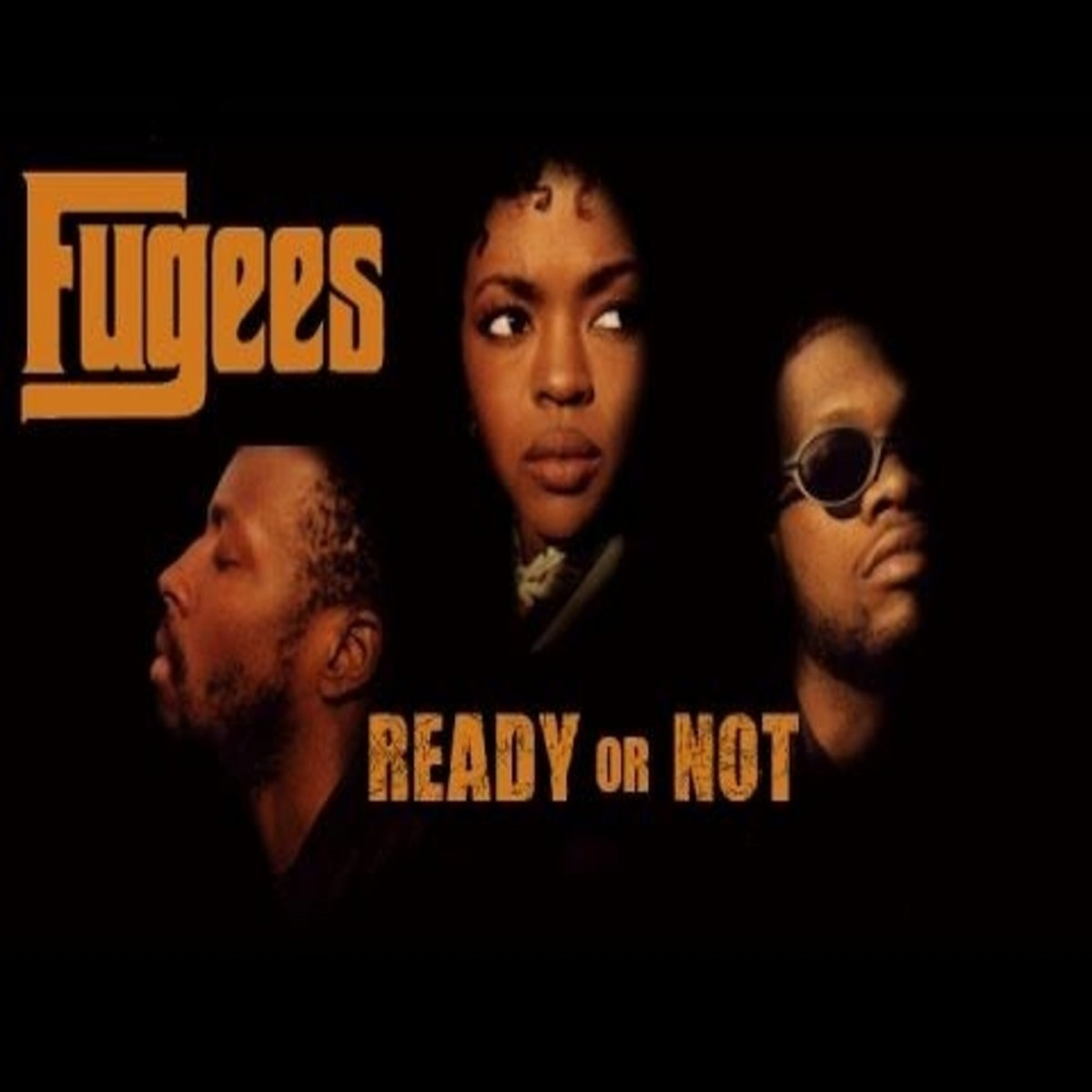
 By the time Fugees released The Score in 1996, they were already gaining attention—but “Ready or Not” is the moment they became undeniable. Dark, cinematic, and deeply confident, the track stands as one of the most unforgettable songs of the decade, a perfect fusion of hip-hop grit, reggae influence, and soulful mystique.
From the very first notes, “Ready or Not” feels different. Built around a haunting sample of Enya’s ethereal composition “Boadicea,” the song creates an atmosphere that is both eerie and beautiful. The production is minimal yet powerful, allowing the tension to slowly build as the beat settles in. It doesn’t sound like a typical mid-90s hip-hop track—it feels almost otherworldly, like a warning echoing through fog.
That mood perfectly sets the stage for Lauryn Hill, whose opening line has become iconic: “Ready or not, here I come, you can’t hide.” Her voice carries both melody and menace, blending vulnerability with absolute control. It’s not just a hook—it’s a statement of intent. The Fugees aren’t asking for attention anymore; they’re claiming it.
Lyrically, the song showcases the trio at their peak. Lauryn Hill’s verse is sharp and commanding, weaving together themes of survival, spirituality, and lyrical dominance. She balances street awareness with poetic introspection, delivering lines that feel both grounded and elevated. Her presence on the track is magnetic, foreshadowing the solo brilliance she would later unleash.
Then comes Wyclef Jean, whose verse injects a different kind of energy. His delivery is fluid and charismatic, blending his Haitian roots with hip-hop storytelling. He brings a global flavor to the track, expanding its scope beyond the streets of New York and into something more universal.
Finally, Pras closes things out with a laid-back yet effective verse that reinforces the group’s chemistry. While often the most understated member of the trio, Pras plays a crucial role in balancing the song’s dynamic, adding texture and grounding the track’s intensity.
What makes “Ready or Not” truly special is its sense of unity. Each member of the Fugees brings something distinct, yet the song never feels disjointed. Instead, it moves like a single, cohesive vision—three voices blending into one powerful statement.
Beyond its musical achievements, the song also carries an undercurrent of defiance. There’s a sense that the Fugees are stepping into a space that wasn’t fully prepared for them—a group that didn’t fit neatly into the categories of gangsta rap, pop, or traditional hip-hop. Their sound was hybrid, their influences wide-ranging, and their message layered.
“Ready or Not” became one of the defining singles from The Score, helping the album achieve massive commercial success and critical acclaim. It also played a major role in elevating Lauryn Hill into superstardom, setting the stage for her groundbreaking solo work on The Miseducation of Lauryn Hill just two years later.
Even decades after its release, the song remains a staple of hip-hop’s golden era. Its production still feels fresh, its lyrics still hit with precision, and its atmosphere remains unmatched. Few tracks manage to be both haunting and empowering at the same time, but “Ready or Not” walks that line effortlessly.
In many ways, the title itself says it all. The Fugees weren’t waiting for permission, approval, or validation. They arrived on their own terms, with a sound that challenged expectations and redefined what hip-hop could be.
And whether the world was ready or not, there was no hiding from it.
This post has already been read 29 times!