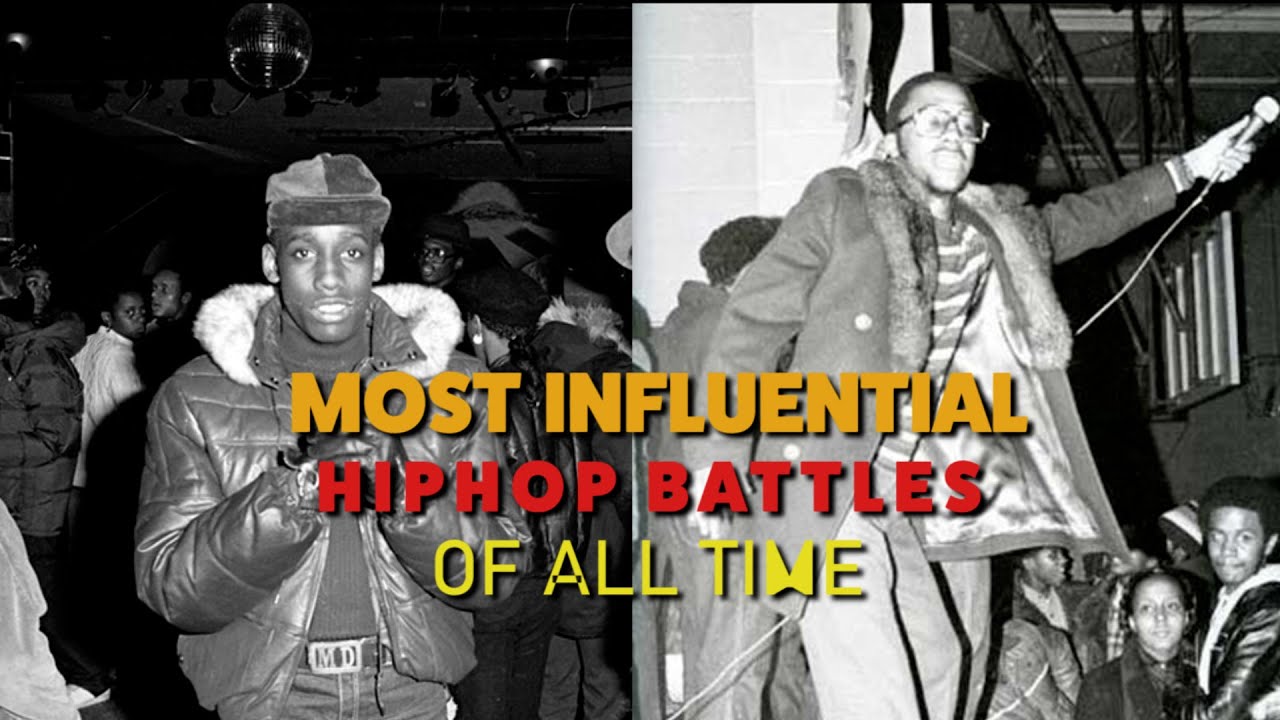
 The 1981 battle between The Cold Crush Brothers and Fantastic Five at Harlem World stands as one of the most legendary moments in the history of early hip-hop culture. Long before rap became a billion-dollar industry dominated by record labels, streaming platforms, and global celebrities, hip-hop existed primarily as a live competitive art form built around DJ battles, MC routines, crowd control, and neighborhood reputation. Events like this were not simply concerts — they were cultural showdowns where crews battled for respect, dominance, and immortality within New York City’s rapidly evolving hip-hop scene.
During the late 1970s and early 1980s, Harlem World became one of the most important venues in early rap history. Located in Manhattan, the club hosted some of the era’s biggest DJs, MC crews, and dance groups, serving as a central gathering point for hip-hop culture during its formative years. Before major recording contracts transformed rap into mainstream entertainment, places like Harlem World were where reputations were made and legends were born. Crowds packed the venue to witness lyrical battles, DJ innovations, breakdancing, and explosive live performances that could last deep into the night.
At the center of this famous battle stood The Cold Crush Brothers, widely regarded as one of the greatest live MC crews in hip-hop history. Featuring legendary performers such as Grandmaster Caz and JDL, the Cold Crush Brothers became famous for their razor-sharp routines, complex rhyme patterns, synchronized group performances, and unmatched stage presence. They approached rap battles almost like theatrical productions, combining lyrical skill with showmanship, humor, fashion, and crowd manipulation.
Facing them were the Fantastic Five, another elite Bronx-based hip-hop crew known for energetic routines and powerful crowd engagement. In early hip-hop culture, these battles were not based solely on lyrical insults or aggression the way later rap beefs often became. Instead, crews competed through charisma, originality, rhythmic precision, audience reaction, DJ skills, and stage command. The goal was complete domination of the crowd’s energy.
The Harlem World battle became legendary partly because it captured hip-hop before commercialization standardized the culture. There were no corporate sponsors, elaborate stage productions, or national television broadcasts. Everything depended on raw talent, improvisation, and live audience response. MC crews had to earn their reputations face-to-face in packed clubs filled with demanding crowds that expected originality and nonstop energy.
Musically, these performances were built around looping funk breaks, disco grooves, and DJ manipulation techniques pioneered by innovators such as Kool Herc, Grandmaster Flash, and Afrika Bambaataa. DJs extended percussion-heavy sections of records while MCs delivered routines filled with boasts, crowd chants, rhythmic wordplay, and competitive rhymes. The atmosphere was electric, fueled by booming sound systems, breakdancers, graffiti culture, and neighborhood pride.
The Cold Crush Brothers became particularly influential because of their technical sophistication and lyrical structure. Grandmaster Caz, in particular, helped elevate rap lyricism far beyond simple party chants into something more rhythmically complex and artistically ambitious. Many later MCs viewed Cold Crush routines as foundational blueprints for modern rap performance and battle culture.
The 1981 Harlem World battle also became historically important because it was partially documented during the early years of hip-hop media preservation. Much of hip-hop’s earliest live culture was never professionally recorded, making surviving footage, flyers, and audio from events like this incredibly valuable historical artifacts. These recordings allow modern audiences to experience the raw energy and creativity that defined early rap before the industry transformed it.
The influence of battles like Cold Crush versus Fantastic Five can still be seen throughout modern hip-hop. Competitive rap culture — from freestyle battles to diss tracks to live MC showcases — traces directly back to these early confrontations in Bronx parks and Manhattan clubs. Even today, the idea that an MC must prove themselves through crowd control, lyrical skill, and live presence remains central to hip-hop identity.
Beyond the competition itself, the Harlem World battle symbolized the emergence of hip-hop as a fully formed cultural movement. It brought together music, fashion, language, dance, performance, and community identity into a single explosive environment. What was happening inside venues like Harlem World in 1981 would eventually influence global music, fashion, sports, advertising, film, and youth culture for generations.
Today, the Cold Crush Brothers versus Fantastic Five battle remains one of the defining myths and milestones of old-school hip-hop history. It represents a moment when rap was still raw, community-driven, fiercely competitive, and creatively limitless. More than four decades later, the energy and influence of those battles continue to echo throughout every corner of hip-hop culture.
This post has already been read 901 times!