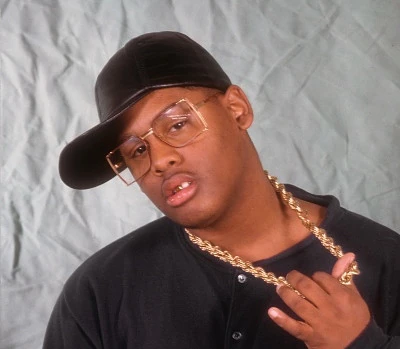
 Steady B, born Warren McGlone, is one of Philadelphia’s pioneering hip-hop artists whose influence in the 1980s helped lay the groundwork for the city’s rich rap culture. Known for his smooth yet assertive delivery, socially conscious lyrics, and club-ready tracks, Steady B was a key figure in the rise of East Coast hip-hop outside New York City. While his career later faced personal and legal challenges that overshadowed his musical accomplishments, his early work remains essential to understanding the development of hip-hop in Philadelphia and the broader East Coast scene.
Born in 1969 in Philadelphia, Pennsylvania, Warren McGlone grew up in a city that was rich with musical history. Philadelphia, famous for its soul and R&B scene, provided a fertile environment for Steady B to develop his musical identity. By the early 1980s, hip-hop had begun to spread beyond New York City, reaching cities like Philadelphia, where block parties, local DJs, and MCs created a thriving underground culture. Steady B entered this scene with a natural talent for rhyme, stage presence, and an understanding of rhythm that allowed him to stand out from the crowded field of emerging MCs.
Steady B began his recording career with the independent Philadelphia-based label Pop Art Records, which became a launching pad for several early Philly hip-hop acts. His first single, “Take Your Radio,” released in 1985, showcased his playful lyrical style, deft wordplay, and ability to craft a catchy hook. The track quickly gained traction on local radio and at house parties, helping to establish Steady B as a recognizable figure in Philadelphia’s hip-hop community. His early music reflected a balance between party-oriented tracks and messages of self-confidence and street-smart wisdom, a formula that would characterize much of his work during the 1980s.
In 1986, Steady B signed with Sugar Hill Records, one of the most prominent hip-hop labels of the era, known for launching acts like Grandmaster Flash & the Furious Five and The Sugarhill Gang. This deal marked a major step in his career, providing him with a broader platform and access to professional production resources. Under Sugar Hill, Steady B released his debut album, Bring the Beat Back, which solidified his status as one of Philadelphia’s premier hip-hop voices. The album featured tracks like “My Beatbox” and “Let the Hustlers Play,” both of which highlighted Steady B’s skillful flow, charisma, and ability to craft infectious rhythms over funk-infused beats.
A key aspect of Steady B’s appeal was his versatility. He could deliver hard-hitting party anthems designed for block parties and clubs, while also addressing social issues and personal struggles. This duality mirrored the broader evolution of hip-hop during the mid-1980s, when artists began expanding beyond simple party tracks to include storytelling, social commentary, and reflections on urban life. Steady B’s lyrics often emphasized ambition, resilience, and the realities of growing up in Philadelphia, resonating with local audiences while appealing to a national hip-hop fanbase.
One of Steady B’s most notable singles, “Let the Hustlers Play,” demonstrated his ability to craft an anthem that was both accessible and culturally relevant. The track combined a catchy hook with energetic beats, creating a song that could ignite dance floors while reflecting the aspirations and challenges of young urban audiences. Steady B’s smooth delivery and command over his flow set him apart from contemporaries who relied more heavily on aggressive or raw vocal styles, highlighting his unique voice within the growing East Coast scene.
Steady B was also a pioneer in the use of production techniques that would become standard in hip-hop. Drawing on influences from both electro-funk and early New York rap, he and his collaborators incorporated drum machines, synthesizers, and layered samples into their tracks. This approach allowed for greater sonic complexity and danceability, helping to distinguish Philadelphia hip-hop from the more minimalist or boom-bap-driven New York sound. Tracks like “Suicide” and “Do the Right Thing” exemplified this forward-thinking approach, marrying infectious grooves with socially aware lyrics and demonstrating Steady B’s versatility as both a performer and creative innovator.
Throughout his career, Steady B collaborated with several notable figures in hip-hop. He worked closely with Philadelphia DJs, producers, and fellow MCs, helping to elevate the local scene and create opportunities for other emerging artists. His presence in early hip-hop compilations and mixtapes further cemented his reputation as a foundational figure in Philly rap. Moreover, his performances in local clubs, talent shows, and radio appearances showcased his charisma and ability to connect with audiences, a key factor in establishing his enduring legacy in Philadelphia.
Despite his early successes, Steady B’s career later became marred by legal troubles. In the mid-1990s, he was convicted of serious criminal offenses, resulting in a long prison sentence. While this period removed him from the public eye, it did not erase his contributions to hip-hop. Retrospective appreciation of his work highlights the importance of his early recordings and his role in shaping Philadelphia’s hip-hop identity. Tracks like “Take Your Radio” and Bring the Beat Back remain celebrated for their originality, energy, and influence on subsequent generations of Philly rappers.
Steady B’s influence extends beyond his own recordings. Philadelphia’s hip-hop scene, which has produced notable artists like Schoolly D, DJ Jazzy Jeff & The Fresh Prince, and more recently, Meek Mill and Freeway, owes much to the foundation laid by early acts like Steady B. By demonstrating the commercial and artistic viability of Philly-based rap, he helped open doors for other artists to achieve regional and national recognition. His approach—balancing party tracks with social awareness, integrating electronic production, and delivering smooth, controlled flows—became a blueprint for Philadelphia’s signature hip-hop sound.
Culturally, Steady B represents the vibrant experimentation of the mid-1980s, when hip-hop was still defining itself outside its New York birthplace. His music captured the optimism, creativity, and streetwise energy of the era, bridging the worlds of electro, funk, and rap. While his later life challenges drew attention away from his music, it’s clear that Steady B played a pivotal role in expanding hip-hop’s geographic and stylistic boundaries. His recordings remain a window into a formative period in both Philadelphia and East Coast hip-hop, illustrating how local scenes contributed to the national evolution of the genre.
In summary, Steady B’s career is a testament to innovation, regional pride, and musical versatility. From his early days performing at block parties in Philadelphia to releasing influential tracks under Sugar Hill Records, he helped shape the sound and identity of East Coast hip-hop outside New York. His blend of smooth delivery, rhythmic skill, and production creativity set him apart from his peers and left a lasting mark on the Philadelphia scene. While his personal life and legal troubles later complicated his legacy, his early contributions remain an essential chapter in hip-hop history.
Steady B’s story is also a reminder of the diversity of voices and styles that defined early hip-hop. While mainstream attention often focused on New York and later Los Angeles, Philadelphia artists like Steady B demonstrated that innovation and talent could flourish in other urban centers. His work exemplifies the experimentation, rhythm, and cultural engagement that made hip-hop a dynamic and evolving art form in the 1980s. By combining lyrical skill, charismatic performance, and forward-thinking production, Steady B created music that continues to resonate with fans and historians alike.
Today, his early recordings are celebrated by collectors, DJs, and hip-hop enthusiasts as foundational texts of Philadelphia rap. Tracks like “Take Your Radio” remain staples in retrospectives of 1980s hip-hop, illustrating the genre’s formative stages and the creativity of artists working outside the dominant centers of New York and Los Angeles. Steady B’s contributions remind listeners that hip-hop’s growth was fueled not only by household names but also by regional pioneers whose experimentation and artistry helped shape the music’s future.
In conclusion, Steady B stands as one of Philadelphia’s most important early hip-hop figures. From his club-ready tracks to his socially conscious lyrics, he played a key role in defining the sound and identity of Philly rap. While his career faced challenges, his early work remains influential, highlighting the vibrancy, innovation, and cultural significance of East Coast hip-hop in the 1980s. For those exploring the roots of hip-hop outside New York, Steady B’s music provides a compelling snapshot of an era defined by creativity, experimentation, and regional pride—a legacy that continues to resonate today.
This post has already been read 650 times!