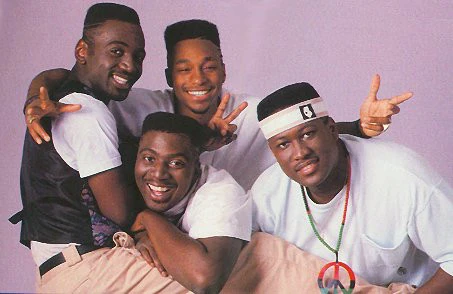
 Whistle is one of the lesser-known yet highly influential acts of late-1980s and early-1990s hip-hop and R&B, a group that bridged the worlds of rap, electro, and soulful melodies to craft a distinctive sound that resonated with urban audiences. Best remembered for their infectious club-ready tracks, polished production, and smooth vocal harmonies, Whistle captured a transitional moment in hip-hop’s evolution, when rap was beginning to embrace R&B stylings and electronic production techniques. While they may not have achieved the superstar status of contemporaries like Run-DMC or Salt-N-Pepa, Whistle’s contributions remain a vital part of hip-hop and urban music history, showcasing the genre’s versatility and capacity for crossover appeal.
The group formed in the mid-1980s, a period marked by rapid innovation in hip-hop, electro, and R&B. Whistle was composed of Jazzy Jazz (Jazzy Jazz [sometimes known as Jazzy Jazz W.]), Kool Doobie, and later Kraze. Emerging from the New York City scene, the group was heavily influenced by the electro-funk movement and the early R&B-influenced hip-hop tracks that dominated urban radio. Their approach blended rap verses with smooth vocal choruses, catchy hooks, and danceable grooves, creating music that was at once club-friendly and radio-ready. In many ways, Whistle anticipated the fusion of hip-hop and R&B that would dominate the 1990s, laying groundwork for acts like Jodeci, Heavy D & the Boyz, and even early Mary J. Blige.
Whistle’s music is characterized by its seamless integration of rap and singing. Their early singles, such as “Right Next to Me” and “Always and Forever,” exemplified this style, featuring rhythmic rap verses delivered by Jazzy Jazz and Kool Doobie, paired with lush, melodic choruses. The production often relied on drum machines, synthesizers, and sampled grooves that drew from both electro and contemporary R&B. This duality—between the rhythmic energy of hip-hop and the melodic smoothness of R&B—allowed Whistle to appeal to diverse audiences, from club-goers to mainstream radio listeners.
The group’s first album, Whistle (1986), introduced their signature style to a broader audience. Tracks like “(Nothing Serious) Just Buggin’” and “Feel It” highlighted their ability to craft engaging hooks while maintaining an authentic hip-hop edge. Unlike the harder, street-oriented rap that was popular in other parts of New York, Whistle leaned into a playful, approachable sound that emphasized fun, groove, and accessibility. Their lyrics often explored themes of romance, friendship, and everyday urban life, presenting a side of hip-hop that was relatable and uplifting.
Whistle’s appeal also came from their production quality. Working with in-house producers and engineers, the group crafted tracks that were polished and layered, combining electronic elements with live instrumentation in innovative ways. Synth lines, punchy basslines, and programmed drum patterns became a hallmark of their sound. This attention to sonic detail helped them stand out in a crowded field of emerging hip-hop acts, giving their music a professional sheen that was uncommon in an era dominated by raw, street-level recordings.
As their career progressed, Whistle expanded their sound to include more prominent R&B influences. By the late 1980s, their albums Transformation (1987) and Always and Forever (1990) showcased this evolution. These projects featured smoother ballads, lush production, and increasingly sophisticated vocal arrangements. Tracks such as “Barbara’s Bedroom” and the titular “Always and Forever” demonstrated the group’s versatility, balancing upbeat, danceable tracks with slower, romantic songs. This blending of styles highlighted the group’s willingness to experiment and innovate, a trait that set them apart from many of their contemporaries who remained strictly within one genre.
The group’s lyrical style is notable for its balance between clever wordplay and accessibility. While Jazzy Jazz and Kool Doobie displayed technical skill and rhythmic precision in their raps, the lyrics were always designed to resonate with listeners. Themes of love, relationships, and social experiences were delivered in a conversational, approachable manner, making the music relatable to both hip-hop enthusiasts and casual listeners. This combination of lyrical dexterity and melodic appeal helped Whistle carve out a unique niche in the late-1980s music landscape.
Whistle’s influence also extended to their live performances. They were known for energetic shows that combined rap, singing, and interactive audience engagement. The members’ ability to move seamlessly between rapped verses and sung choruses created a dynamic stage presence, ensuring that their concerts were both musically engaging and visually captivating. This emphasis on performance would later become a hallmark of R&B-infused hip-hop acts, highlighting Whistle’s role as innovators in blending musical genres and stagecraft.
Despite their innovative approach, Whistle’s commercial success was modest compared to some contemporaries. While they achieved hits on urban and dance charts, they did not consistently cross over into the pop mainstream. However, their work was highly respected within the industry, and their tracks received significant play in clubs, on radio stations, and on emerging music video platforms like MTV and BET. Songs like “Barbara’s Bedroom” and “Right Next to Me” continue to be celebrated for their catchy hooks, smooth production, and the unique fusion of rap and R&B that became their signature.
Whistle’s cultural significance lies in their role as forerunners of a new hybrid sound. By blending rap and R&B, the group helped pave the way for a generation of artists who would dominate the 1990s music scene. Their music demonstrated that hip-hop could be fun, melodic, and emotionally resonant while retaining the rhythmic integrity and lyrical skill that defined the genre. In this way, Whistle contributed to the evolution of urban music, expanding the possibilities for what hip-hop could sound like and who it could reach.
Additionally, Whistle’s use of technology in production was forward-thinking. They embraced drum machines, synthesizers, and early sampling techniques to create layered, polished tracks that retained energy and clarity. Kurtis Mantronik and other contemporaneous producers influenced the electronic aspects of their sound, but Whistle’s own approach to integrating electronic and R&B elements into hip-hop tracks was uniquely theirs. Their music exemplified the possibilities of studio experimentation and highlighted the growing importance of production as a defining feature of hip-hop in the late 1980s.
While Whistle eventually disbanded in the early 1990s, their legacy endures through both their recordings and their influence on subsequent artists. The seamless integration of rap and R&B that they pioneered can be heard in acts ranging from Jodeci and Mary J. Blige to contemporary hip-hop artists who incorporate melodic hooks and sung choruses. The group’s focus on polished production, audience-friendly themes, and accessible lyricism helped expand hip-hop’s reach and demonstrated that the genre could be versatile, innovative, and commercially viable without sacrificing authenticity.
In retrospect, Whistle represents a crucial link in the evolution of hip-hop and urban music. They captured a transitional moment when the genre was moving from party tracks and street-oriented rap toward more melodic, hybridized sounds that would dominate the 1990s. Their music combined technical skill, vocal talent, and innovative production, offering a blueprint for blending genres while maintaining rhythmic integrity. They were, in many ways, ahead of their time, and their contributions remain relevant for fans of both hip-hop and R&B, as well as scholars tracing the genre’s development.
In conclusion, Whistle is a quintessential example of a group that operated at the intersection of hip-hop, R&B, and electro-funk, producing music that was both innovative and enduring. From their early club tracks to their later melodic explorations, they demonstrated that hip-hop could be versatile, sophisticated, and widely appealing. Jazzy Jazz, Kool Doobie, and Kraze left an indelible mark on urban music, influencing both peers and future generations of artists. Their legacy is one of creativity, genre fusion, and pioneering spirit—a reminder that hip-hop’s growth was driven not only by the most famous names but also by artists who quietly expanded the genre’s boundaries while crafting music that continues to resonate decades later.
This post has already been read 838 times!