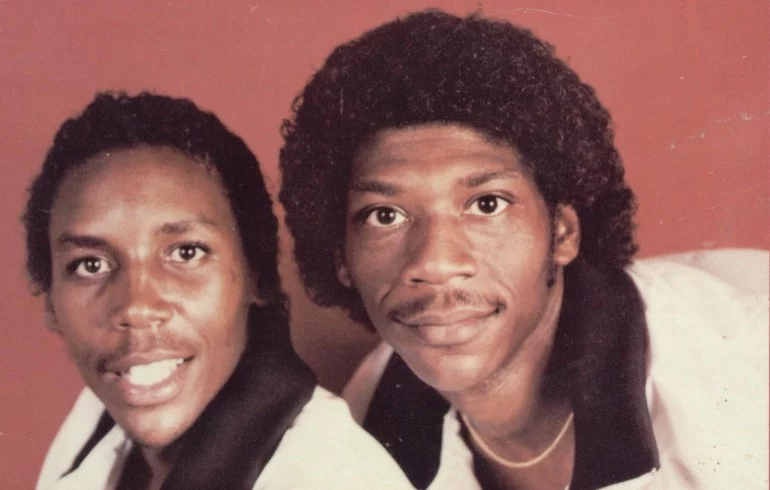
 L.A. Dream Team is one of the most influential and pioneering hip-hop groups to emerge from the West Coast in the 1980s. Known for their high-energy, party-ready tracks, funky production, and charismatic delivery, the group helped define the early sound of Los Angeles hip-hop while bridging the gap between electro-funk, old-school rap, and the emerging West Coast scene. Though their name may not carry the same recognition as later West Coast legends, L.A. Dream Team’s contributions were vital in shaping the region’s hip-hop identity and expanding the possibilities of what rap music could sound like outside New York City.
The group formed in Los Angeles in the early 1980s, at a time when hip-hop was beginning to spread across the country from its origins in New York. The founding members, Chris “Snake Puppy” Wilson and Ricky “Rapper R” Smith, along with collaborators like Rudy Pardee, were inspired by the electro-funk and dance music that dominated Southern California clubs and radio. This musical environment encouraged experimentation, and the group quickly embraced a sound that blended rapid-fire rap, catchy hooks, and electronic beats, creating music that was designed to move both bodies and minds.
L.A. Dream Team’s early work reflects the vibrant cultural cross-pollination of Los Angeles in the 1980s. The city was a melting pot of funk, soul, and burgeoning hip-hop, with local DJs experimenting with drum machines, synthesizers, and breakbeats. The Dream Team tapped into this scene, producing tracks that were not only rhythmically infectious but also playful and fun. Their music celebrated dance, style, and the joy of urban life, setting them apart from the grittier, street-oriented sounds emerging from other parts of the country.
The group’s debut single, “The Dream Team Is in the House” (1985), quickly became a local hit and helped establish their reputation as party music innovators. The track’s catchy chorus, funky bassline, and electronic synths exemplified their approach to hip-hop: accessible, danceable, and infused with personality. It also introduced audiences to their unique style, which combined boastful lyrical delivery with humor and flamboyant stage presence. This combination made them favorites at local parties, roller rinks, and nightclubs, where the energy of their live performances further solidified their appeal.
Following the success of their debut, L.A. Dream Team released “Rockberry Jam” and “Nursery Rhymes”, tracks that highlighted their playful lyricism and innovative production techniques. The group was part of a wave of West Coast acts experimenting with electro-rap, characterized by drum machines, heavy synthesizers, and a focus on danceability. Unlike the harder-edged street narratives emerging elsewhere, L.A. Dream Team emphasized fun, humor, and musical inventiveness. This approach not only distinguished them within the West Coast scene but also allowed them to reach audiences who were new to hip-hop, helping to expand the genre’s geographic and stylistic boundaries.
The group’s debut album, Kings of the West Coast (1985), captured the energy and excitement of their live performances while showcasing their versatility as artists. Tracks like “The Dream Team Is in the House” and “Nursery Rhymes” combined catchy hooks with playful wordplay, while songs like “Crusin’ in the Old School” reflected their love for funk and street culture. The album’s production was crisp and polished, balancing electronic instrumentation with the raw energy of live rap delivery. This blend of accessibility and innovation helped establish L.A. Dream Team as one of the leading voices in West Coast hip-hop during the mid-1980s.
L.A. Dream Team’s influence extended beyond their recordings. Their live shows were energetic spectacles, complete with coordinated choreography, flashy outfits, and audience participation. The group understood the importance of visual identity in hip-hop, using fashion, stage presence, and performance techniques to create a complete entertainment package. This focus on performance presaged the later emphasis on visual storytelling and choreography that would become integral to West Coast rap and R&B acts in the 1990s.
In addition to their musical innovation, L.A. Dream Team played a critical role in developing the West Coast hip-hop scene itself. They helped lay the foundation for future acts like N.W.A, Ice-T, and Kid Frost by demonstrating that Los Angeles could produce hip-hop that was both regionally distinctive and commercially viable. Their playful, electro-infused style also influenced the development of Los Angeles’ party rap subgenre, a sound characterized by upbeat rhythms, funky synths, and lyrics focused on fun, dancing, and social interaction. In many ways, L.A. Dream Team helped define the early sonic identity of West Coast hip-hop.
The group’s follow-up album, Back to Black (1986), continued to push musical boundaries, incorporating elements of funk, electronic dance, and R&B into their signature style. Tracks like “Get in the Groove” and “Do It” showcased their ability to craft infectious, club-ready anthems, combining tight rhymes with polished production. By blending humor, musicality, and charisma, L.A. Dream Team demonstrated that hip-hop could be versatile and appealing to diverse audiences, laying the groundwork for the crossover success that many West Coast artists would later achieve.
Lyrically, L.A. Dream Team focused on themes of fun, social interaction, and street culture. Their playful rhymes, clever wordplay, and approachable subject matter made their music relatable and enjoyable, while their emphasis on rhythm and delivery highlighted their technical skill as MCs. Unlike some of their contemporaries who focused on hard-edged realism or politically charged content, the Dream Team embraced a lighter, more celebratory approach, proving that hip-hop could entertain without losing credibility.
The group also embraced technological innovation in their production. By utilizing drum machines, synthesizers, and early sampling techniques, they created a futuristic, polished sound that distinguished them from the rawer, stripped-down tracks produced in other regions. This forward-thinking approach to production not only helped them stand out during the mid-1980s but also influenced later West Coast acts, who would continue to experiment with electronic instrumentation and complex studio techniques.
Despite their pioneering contributions, L.A. Dream Team’s commercial success remained relatively modest compared to later West Coast legends. Changes in the hip-hop landscape, the rise of gangsta rap, and shifting audience tastes eventually overshadowed their party-oriented style. However, their influence is still felt in the DNA of West Coast hip-hop, particularly in the use of electro-funk elements, danceable rhythms, and an emphasis on stage presence and entertainment value. Their music remains celebrated by collectors, DJs, and fans of 1980s hip-hop for its energy, innovation, and regional significance.
In the broader context of hip-hop history, L.A. Dream Team exemplifies the creativity, experimentation, and regional diversity that defined the genre’s early years. By blending rap with electronic production, funk influences, and R&B sensibilities, they demonstrated that hip-hop could be both innovative and accessible. Their music captured the spirit of Los Angeles in the mid-1980s, reflecting the city’s multicultural vibrancy, love for dance, and embrace of cutting-edge musical technology.
Today, L.A. Dream Team’s recordings are celebrated as essential artifacts of early West Coast hip-hop. Tracks like “The Dream Team Is in the House” and “Nursery Rhymes” continue to be played in retrospectives and sampled by contemporary artists, illustrating the lasting impact of their sound. The group’s ability to combine charisma, musicality, and innovation highlights their importance not only in the history of Los Angeles hip-hop but also in the broader evolution of the genre.
In conclusion, L.A. Dream Team occupies a unique and vital place in hip-hop history. From their early singles to their full-length albums, they helped define the sound and identity of West Coast hip-hop, bringing a sense of fun, energy, and musical experimentation to the genre. While later acts would achieve greater commercial success, L.A. Dream Team’s influence can be seen in the stylistic evolution of West Coast rap, particularly in the integration of funk, electronic elements, and performance-driven showmanship. Their legacy endures as a testament to the creativity and innovation of early hip-hop pioneers, and as a reminder that the genre’s growth was shaped not only by mega-stars but also by regional innovators whose experimentation helped expand the possibilities of rap music.
This post has already been read 414 times!