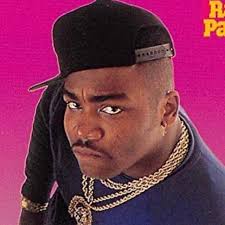
 DJ Polo, born Salvatore C. Mangano in the Bronx, New York, is one of hip-hop’s most influential DJs and producers, best known for his partnership with legendary MC Kool G Rap. With an unparalleled sense of rhythm, innovative scratching techniques, and a talent for crafting cinematic beats, Polo became a central figure in the development of East Coast hip-hop during the late 1980s and early 1990s. While Kool G Rap provided razor-sharp lyrical narratives, DJ Polo’s turntable work and production elevated each track, creating an immersive, dynamic soundscape that continues to inspire artists decades later.
Raised in the Bronx, the birthplace of hip-hop, Polo grew up immersed in the culture that would define his career. From a young age, he was drawn to the sound of street DJs, breakdancers, and MCs battling for attention at block parties and local clubs. These experiences instilled in him a deep understanding of rhythm, improvisation, and crowd engagement. Inspired by turntable pioneers such as Grandmaster Flash, DJ Kool Herc, and Afrika Bambaataa, Polo honed his skills, learning how to manipulate vinyl and blend samples to create new sonic textures. His early exposure to hip-hop’s competitive and creative environment shaped the foundation of his signature style.
Polo’s rise to prominence came through his collaboration with Kool G Rap. The two first met in the mid-1980s and quickly developed a creative synergy, blending Polo’s turntable and production expertise with Kool G Rap’s complex storytelling and multisyllabic rhymes. The partnership proved groundbreaking: they pushed the boundaries of what hip-hop production could accomplish, merging intricate narratives with layered beats, scratches, and samples. Together, they introduced a level of sophistication to rap that combined street realism with musical innovation.
The duo’s debut album, Road to the Riches (1989), remains a landmark in East Coast hip-hop. Polo’s production on the album provided a gritty, textured backdrop for Kool G Rap’s vivid stories of crime, survival, and ambition. Tracks like the title song Road to the Riches and Poison highlighted Polo’s ability to balance minimalism with depth, giving the vocals space while maintaining a sense of momentum and intensity. His scratching punctuated key moments, emphasizing punchlines and transitions, which became a defining characteristic of the duo’s sound.
DJ Polo’s style was distinct for its precision, innovation, and musicality. He approached turntablism not simply as embellishment but as a narrative tool, using scratches and samples to heighten drama and create tension within a track. His ear for layering sounds — drawing from funk, jazz, and soul records — allowed him to produce beats that were both rich and dynamic. Polo’s production style demonstrated that the DJ was not merely a background figure but a central creative force, capable of shaping the emotional and structural landscape of a song.
The 1989 release of Wanted: Dead or Alive showcased Polo’s growth as a producer. The album featured darker, more cinematic production, complementing Kool G Rap’s increasingly intricate storytelling. Tracks such as Streets of New York and Talk Like Sex displayed Polo’s mastery of atmosphere and tension, enhancing the narrative impact of each verse. His contributions extended beyond scratching and beat-making, encompassing overall arrangement, pacing, and sonic layering — skills that made every track feel like a complete, self-contained story.
One of Polo’s most enduring contributions is his role in the development of mafioso rap, a subgenre characterized by crime-focused narratives and cinematic production. His use of dense, atmospheric beats, carefully timed scratches, and layered samples created the perfect canvas for Kool G Rap’s detailed storytelling. Producers who followed, including DJ Premier, Pete Rock, and Havoc of Mobb Deep, built on Polo’s techniques, demonstrating the lasting influence of his approach to rhythm and sound design.
DJ Polo’s technical abilities extended far beyond the studio. His live performances highlighted his instinctive understanding of audience engagement, timing, and musical flow. Polo could read a crowd, strategically inserting scratches, drops, and beat manipulations to heighten excitement or underscore a punchline. His work on stage demonstrated that a DJ was not merely an accompanist but a key performer whose contributions shaped the energy and structure of a live show.
Throughout the early 1990s, Polo and Kool G Rap continued to release influential albums, including Live and Let Die (1992). Polo’s production on this record was layered, sophisticated, and cinematic, reinforcing his reputation as one of hip-hop’s most innovative DJs. He skillfully blended live instrumentation, samples, and scratching, giving tracks both depth and accessibility. Songs like Ill Street Blues highlighted his ability to create tension, mood, and drama, solidifying the duo’s reputation for crafting immersive musical narratives that went beyond standard rap tracks.
Culturally, DJ Polo played a pivotal role in representing the Bronx and the East Coast hip-hop scene during a time when the genre was expanding rapidly. His music captured the grit, energy, and creativity of New York City streets while demonstrating the potential of hip-hop as a platform for artistic innovation. Polo’s influence can be traced through the evolution of East Coast production styles, particularly in the ways later artists and producers approached sampling, layering, and integrating the turntable into the musical narrative.
Polo’s work also underscores the centrality of the DJ in hip-hop’s evolution. While many early fans focused primarily on MCs, Polo demonstrated that the DJ could be an architect of sound, shaping the structure, mood, and emotion of a track. By integrating scratching and sampling as narrative tools rather than decorative elements, he elevated the art of turntablism and influenced the expectations of hip-hop production for years to come.
Despite changes in the hip-hop landscape, DJ Polo’s contributions remain highly relevant. Tracks from his collaborations with Kool G Rap continue to be celebrated for their innovative production, intricate layering, and timeless energy. His approach to beat-making and scratching continues to inform producers, DJs, and MCs who study his techniques to understand the intersection of technical skill and artistic expression. Polo’s legacy is not only heard in the music he created but also in the way contemporary artists approach composition, performance, and narrative within hip-hop.
In retrospect, DJ Polo’s career exemplifies the power of precision, creativity, and collaboration. By merging technical turntablism with innovative production and close synergy with Kool G Rap, he helped produce some of the most enduring tracks of early 1990s East Coast hip-hop. His work continues to inspire DJs, producers, and MCs, demonstrating that the art of hip-hop is as much about sonic architecture and rhythmic nuance as it is about lyrical prowess.
DJ Polo’s legacy is also a testament to the cultural vitality of the Bronx and the importance of DJs in shaping hip-hop’s sound and identity. His influence can be felt in the work of countless artists who followed, from legendary producers to emerging DJs who continue to explore the possibilities he pioneered. Polo’s contributions underscore that hip-hop is a collaborative art form, where MCs and DJs work in tandem to create something greater than the sum of their parts.
In conclusion, DJ Polo is more than just the partner of Kool G Rap — he is a visionary DJ, producer, and musical innovator whose work helped define a generation of East Coast hip-hop. His mastery of scratching, beat-making, and sampling transformed the role of the DJ from a supporting figure to a central creative force, demonstrating that technical skill, musical intuition, and storytelling can coexist seamlessly. From his early days in the Bronx to his influential albums with Kool G Rap, DJ Polo has left an indelible mark on hip-hop, shaping not only the sound of his era but also the approaches of future artists. His work remains a touchstone for anyone seeking to understand the artistry, innovation, and energy that define East Coast hip-hop, and his legacy continues to resonate with fans and musicians around the world.
This post has already been read 266 times!