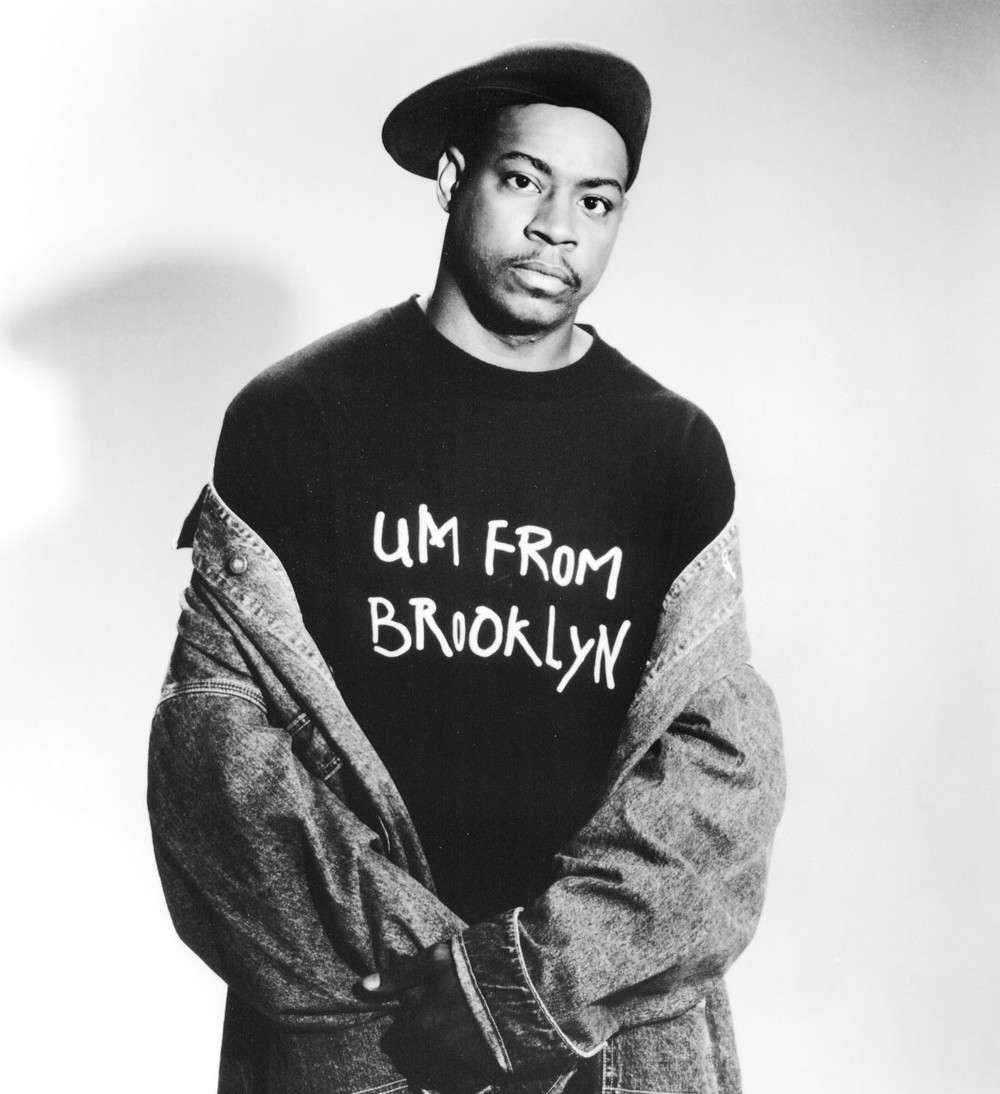
 Dana Dane, born Dana McLeese on September 6, 1965, in Brooklyn, New York, is one of hip-hop’s most distinctive voices from the late 1980s and early 1990s. Known for his clever wordplay, vivid storytelling, and smooth delivery, Dana Dane carved a niche for himself during the golden age of hip-hop, a period marked by innovation, competition, and rapid expansion of the genre. With a persona that combined humor, style, and lyrical dexterity, he brought a unique voice to the East Coast rap scene, influencing countless MCs and leaving an enduring mark on the culture.
Dana Dane grew up in Brooklyn, a borough that was a hotbed for hip-hop culture during the late 1970s and early 1980s. As a young man, he was drawn to the burgeoning block-party scene, where DJs spun funk and soul records while MCs rapped over breaks, entertaining crowds and sparking friendly competition. Dana quickly recognized his aptitude for rhyming and storytelling, developing a style that emphasized clever narratives, humor, and personality. His love of wordplay, combined with a natural stage presence, set him apart from many of his contemporaries in New York’s thriving hip-hop community.
Dana Dane’s big break came when he joined the “Fearless Four”, an influential New York hip-hop collective, gaining exposure and refining his skills in a collaborative environment. It was during this period that he honed his storytelling approach, creating intricate lyrical tales that combined humor, character sketches, and social commentary. Unlike some of his peers who focused solely on battle rhymes or political content, Dana Dane found his strength in narrative rap—a style that allowed him to entertain audiences while showcasing his lyrical dexterity.
The mid-1980s saw Dana Dane’s profile rise significantly. He caught the attention of B-Boy Records, an influential New York hip-hop label, which led to his debut album “Dana Dane with Fame” in 1987. The album was a landmark in storytelling rap, blending playful, tongue-in-cheek narratives with polished production and catchy hooks. The lead single, “Cinderfella Dana Dane”, became a hit, showcasing his skill at weaving humor and story into a song. The track tells the story of Dana’s alter-ego navigating romantic and social misadventures, highlighting his clever rhyme schemes and smooth delivery. It captured the imagination of fans, earning him a reputation as a masterful storyteller in the hip-hop world.
Dana Dane’s appeal extended beyond his lyrical talent. His fashion sense—often flashy, colorful, and meticulously coordinated—became part of his persona, influencing the style of many young hip-hop fans. With signature Kangol hats, vibrant jackets, and high-top sneakers, Dana Dane exemplified the fashion-forward sensibilities of late 1980s New York hip-hop, blending music, personality, and style into a compelling public image. This visual identity, coupled with his engaging narratives, helped him stand out in a crowded field of talented MCs.
Following his debut, Dana Dane released his second album, “Dana Dane 4 Ever” (1988), which continued to build on his storytelling strengths. Tracks like “Nightmares” and “Delancey Street” demonstrated his ability to craft vivid, cinematic tales, transporting listeners into the worlds he described. The album also incorporated social commentary, reflecting Dana Dane’s awareness of his surroundings and experiences in Brooklyn, while maintaining the humor and accessible charm that defined his style. By combining narrative complexity with approachable beats, he carved out a niche that appealed to both hardcore hip-hop fans and mainstream audiences.
Dana Dane’s storytelling approach was heavily influenced by comic books, film, and television, drawing on these mediums to create colorful characters and imaginative scenarios. He often infused his rhymes with references to pop culture, giving his music a contemporary and relatable feel. This approach also highlighted his versatility, allowing him to explore themes ranging from street life to humorous misadventures without sacrificing lyrical sophistication.
Another key aspect of Dana Dane’s appeal was his sense of rhythm and flow. Unlike some rappers of the era who relied on aggressive delivery, Dana Dane’s style was smooth, relaxed, and precise, emphasizing timing, inflection, and wordplay. His cadences often mimicked conversational patterns, enhancing the storytelling quality of his songs and making his narratives more engaging. This unique flow influenced a generation of rappers who sought to balance technical skill with narrative depth, demonstrating that hip-hop could be both intellectually stimulating and entertaining.
In addition to his studio work, Dana Dane was a dynamic live performer. He brought energy, humor, and theatricality to his shows, engaging audiences with gestures, vocal inflections, and improvisation. His ability to translate his storytelling into performance further distinguished him from his peers, many of whom focused primarily on lyrical prowess. Dana Dane’s stage presence helped solidify his reputation as an entertainer as well as a rapper, demonstrating the multifaceted nature of hip-hop artistry.
During the late 1980s and early 1990s, Dana Dane also contributed to the broader hip-hop community through collaborations and mentorship. He worked with emerging artists, producers, and DJs, helping to foster talent within New York’s vibrant scene. His willingness to collaborate and share expertise reflected his commitment to the growth of hip-hop as both a cultural and musical movement. These contributions reinforced his status not just as a performer, but as a respected figure within the hip-hop community.
Despite the changes in hip-hop during the 1990s, including the rise of gangsta rap and the West Coast dominance, Dana Dane continued to record, perform, and adapt. His later albums, including “Rollin’ Wit Dana Dane” (1995), explored new production styles while maintaining the core storytelling and humor that defined his earlier work. Though these projects did not achieve the commercial success of his late-1980s releases, they reinforced his commitment to artistry, creativity, and authenticity.
Dana Dane’s influence extends beyond music into the cultural lexicon of hip-hop. Terms, phrases, and references from his songs became part of the vernacular, while his playful narrative approach inspired subsequent generations of rappers to explore storytelling in their work. Artists like Slick Rick, De La Soul, and even later acts like Kanye West have drawn on narrative rap techniques popularized during the golden age, demonstrating the lasting impact of Dana Dane’s contributions.
In addition to his musical legacy, Dana Dane has remained active as a media personality, entrepreneur, and cultural commentator. He has appeared on television and radio, sharing insights into the evolution of hip-hop, the challenges of the music industry, and the importance of preserving the history of the genre. His perspective as a pioneer of storytelling rap provides invaluable context for understanding the growth and diversification of hip-hop over the past four decades.
In retrospect, Dana Dane’s career exemplifies the creativity, innovation, and cultural resonance of hip-hop’s golden age. Through his distinctive storytelling, clever wordplay, and charismatic delivery, he demonstrated that rap could be entertaining, thought-provoking, and widely appealing. He helped establish narrative rap as a legitimate and respected form, paving the way for future artists to explore complex themes, characters, and scenarios within their music.
In conclusion, Dana Dane stands as one of the most important figures of late 1980s hip-hop. From his early days in Brooklyn to his international recognition, he combined lyrical skill, narrative genius, and cultural awareness to create a body of work that remains influential and inspiring. His ability to entertain while engaging audiences with inventive storytelling set a high standard for MCs and performers, and his contributions continue to resonate with fans, historians, and artists alike. Dana Dane’s legacy is a testament to the enduring power of narrative, style, and innovation in hip-hop—a reminder that beyond beats and rhymes, storytelling lies at the heart of the culture.
This post has already been read 477 times!