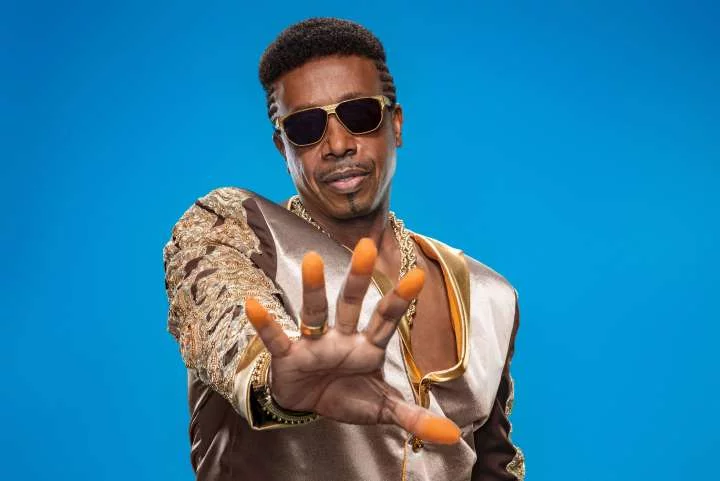
 MC Hammer, born Stanley Kirk Burrell on March 30, 1962, in Oakland, California, is one of the most iconic and influential figures in the history of hip-hop. Known for his high-energy performances, flashy fashion, and ability to blend rap with pop sensibilities, Hammer helped bring hip-hop to a mainstream audience during the late 1980s and early 1990s. Though often remembered for his signature dance moves and “Hammer pants,” his impact on music, performance, and the commercialization of hip-hop extends far beyond the popular imagery, cementing his place as a pioneering force in the genre.
Stanley Kirk Burrell grew up in Oakland, a city with a rich cultural and musical history. The West Coast hip-hop scene was still in its formative years during Hammer’s youth, but the area was vibrant with funk, R&B, and early rap influences. Hammer developed a passion for music at a young age, inspired by local funk acts, soul performers, and the emerging rap scene. Before fully pursuing a music career, Hammer worked as a batboy for the Oakland A’s and briefly as a dancer in local shows, experiences that would later influence his dynamic stage presence and love for performance.
Hammer’s entry into professional music came in the mid-1980s. Initially performing under the moniker MC Hammer, he began releasing independent records in the Bay Area that showcased his unique ability to combine rap lyricism with pop-friendly hooks and danceable beats. Early singles like “Let’s Get It Started” and “Turn This Mutha Out” captured the attention of local audiences and highlighted his talent for rhythm, flow, and audience engagement. Unlike many of his contemporaries in the underground rap scene, Hammer emphasized accessibility and entertainment value, setting the stage for his future crossover success.
The breakthrough came in 1988 with the release of his album Let’s Get It Started on Bust It Records, Hammer’s own independent label. The album featured hits like “Pump It Up” and “They Put Me in the Mix,” which demonstrated his ability to craft infectious beats while maintaining credible rap delivery. The success of this album, particularly on the West Coast, caught the attention of major record labels, leading to a partnership with Capitol Records that would propel Hammer to national and international stardom.
In 1990, MC Hammer released his most iconic album, Please Hammer, Don’t Hurt ’Em. This record became a cultural phenomenon, eventually going diamond with over 10 million copies sold in the United States alone—a remarkable achievement for a hip-hop album at the time. The lead single, “U Can’t Touch This,” propelled Hammer to global fame. Featuring a sample of Rick James’ “Super Freak,” the track combined catchy hooks, innovative production, and Hammer’s charismatic delivery, making it accessible to both hip-hop fans and mainstream audiences. The song’s music video showcased his signature high-energy dance moves and “Hammer pants,” which would become enduring symbols of his brand.
Please Hammer, Don’t Hurt ’Em was notable for its crossover appeal. While rooted in hip-hop, the album incorporated elements of pop, R&B, and dance, reflecting Hammer’s ambition to reach a broad audience. Tracks like “Have You Seen Her” and “Here Comes the Hammer” demonstrated his versatility, combining heartfelt lyrics with infectious rhythm and melody. This approach helped legitimize rap as a commercial force and opened doors for other artists seeking mainstream success without abandoning hip-hop roots. Hammer’s success also helped cement the West Coast as a major hub for hip-hop, complementing the already dominant New York scene.
Beyond the music, Hammer became a cultural icon thanks to his innovative approach to performance and marketing. His live shows were theatrical spectacles featuring elaborate choreography, backup dancers, and high-energy routines. These performances set new standards for hip-hop artists, demonstrating that rap could be as visually and theatrically engaging as pop and rock. Hammer also embraced endorsements, merchandising, and media appearances, pioneering a model for hip-hop artists to build multi-faceted careers beyond the music itself.
Despite his success, Hammer’s career faced challenges in the mid-1990s. The immense financial burden of maintaining large touring productions, a massive entourage, and lavish lifestyle led to significant debt. Additionally, the rise of gangsta rap and grittier West Coast acts, like Dr. Dre, Snoop Dogg, and Tupac Shakur, shifted audience attention away from Hammer’s pop-oriented style. Albums like Too Legit to Quit (1991) and The Funky Headhunter (1994) attempted to adapt to changing tastes, incorporating harder beats and edgier lyrical content, but they could not replicate the phenomenal success of Please Hammer, Don’t Hurt ’Em.
Despite these challenges, Hammer’s impact on hip-hop and popular culture remained undeniable. He demonstrated that rap could achieve mainstream commercial success, influencing the way artists, labels, and media approached the genre. His work helped expand hip-hop’s audience globally and demonstrated the potential for rap to cross cultural and generational boundaries. Moreover, Hammer’s embrace of performance, choreography, and visual branding paved the way for artists like Missy Elliott, Chris Brown, and Usher to incorporate elaborate dance and stagecraft into their hip-hop and R&B presentations.
MC Hammer also contributed to the broader culture through philanthropy, mentorship, and entrepreneurship. He invested in tech startups, launched the Bust It Records label to promote emerging talent, and engaged in community programs aimed at youth empowerment and education. His efforts demonstrated a commitment to leveraging his platform for positive impact, extending his influence beyond music.
Hammer’s personal style and persona were equally influential. The flamboyant clothing, sequined jackets, and iconic “Hammer pants” became symbols of an era, demonstrating the power of fashion as a tool for identity and branding in hip-hop. While some critics initially dismissed his flashy aesthetic as gimmicky, it ultimately cemented his image in pop culture history and made him instantly recognizable worldwide. The combination of style, music, and dance created a complete entertainment package that transcended genre and geographical boundaries.
In later years, Hammer reinvented himself as a motivational speaker, pastor, and media personality. He has spoken extensively about his personal experiences, financial struggles, and lessons learned in both the music industry and life. These endeavors have allowed him to maintain relevance and influence across generations, bridging the gap between his early fame and his contemporary work as a mentor and entrepreneur.
MC Hammer’s influence on music, dance, and hip-hop culture is far-reaching. He demonstrated that rap could achieve mass appeal without sacrificing rhythm, lyrical skill, or entertainment value. His pioneering work in visual presentation, stage production, and marketing helped create a blueprint for the modern hip-hop superstar. By combining innovative beats, catchy hooks, dynamic performances, and distinctive fashion, Hammer expanded the possibilities of what a hip-hop career could look like, inspiring countless artists to follow in his footsteps.
In conclusion, MC Hammer is a defining figure in the history of hip-hop and pop culture. From his early days in Oakland to his rise as a global superstar, he demonstrated creativity, charisma, and innovation that reshaped the perception of rap music. While his career has had its ups and downs, his influence on music, performance, and culture is undeniable. MC Hammer remains a symbol of the transformative power of hip-hop, an artist whose impact continues to be felt across generations, and a trailblazer who brought the genre to mainstream audiences around the world.
This post has already been read 992 times!